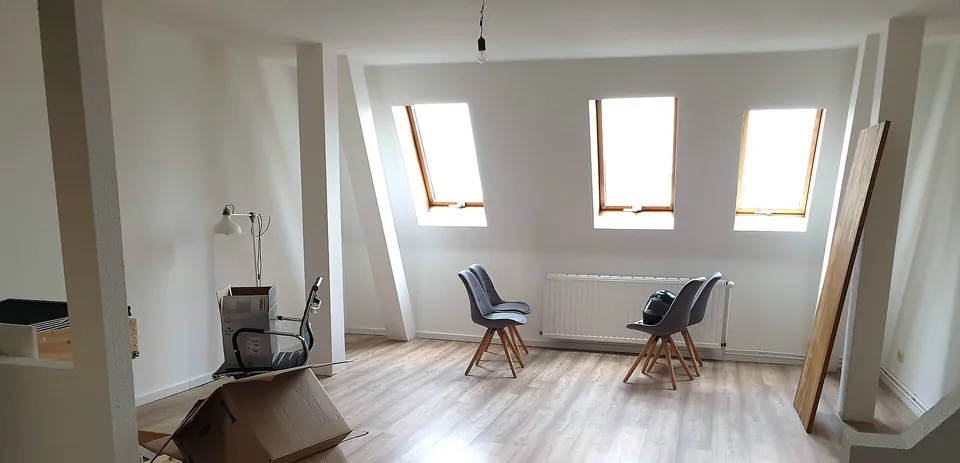
Loft Conversions
Loft Conversions
Turn the roof space of your house into a bedroom, study or shower room, with a new floor, a proper stair and daylight. Also known as an attic conversion.

Scottish building standards
What a building warrant is, why a loft conversion needs one, and how the process runs from application to completion certificate.
If you're planning to turn your loft into a bedroom, a study or a shower room anywhere in Scotland, the short answer is yes: you'll almost certainly need a building warrant from your council before work starts. This page explains what a warrant is, why a loft conversion needs one, how the process runs from application to completion certificate, and how it sits alongside planning permission, which is a separate question.
It draws on mygov.scot and the Scottish Government's building standards procedural handbook, both listed at the end. It's a plain summary, not a legal opinion, so check the detail for your own house with your council's building standards department.
Scotland runs its own building standards system, separate from the rest of the UK. A building warrant is the permission you need to carry out building work that falls under it. The Scottish Government's householder planning circular puts it simply: under the building standards system, a building warrant gives permission to build.
Warrants are dealt with by the council. The procedural handbook calls the body that checks applications the verifier, and says that at present the verifier is the local authority for the area where the work is to be carried out. So a loft in Glasgow goes to Glasgow City Council, a loft in Paisley to Renfrewshire Council, and a loft in Bearsden or Bishopbriggs to East Dunbartonshire Council.
mygov.scot says you need a warrant for work including building a new home, extending your home, building or removing load-bearing walls, changing roofs, external walls or other structural elements, converting a loft or garage into a room, and demolishing a building. A loft conversion appears on that list in its own right, and most conversions tick more than one box: a dormer or a new gable changes the roof, and a new floor often involves structural work.
That applies whatever type of conversion you choose. A rooflight conversion that leaves the roof shape alone is still converting a loft into a room. The procedural handbook adds that a warrant is also required for a conversion as defined in Scotland's building standards legislation, even where there is little building work involved.
mygov.scot is blunt about the consequences: it's an offence to start building work without a warrant when you need one, and if you do, you could be fined.
You apply to your local council's building standards department, or online through the eDevelopment portal, which mygov.scot links to. In practice the application is a set of drawings and specifications showing that the design meets Scottish building standards: the new floor and roof structure, the stair, fire safety and escape, insulation, ventilation and so on. Most homeowners have a designer, architect or the loft conversion company prepare it, but the warrant is for your house and the responsibility for it stays with the owner.
There's a fee. mygov.scot says what you pay depends on the value of the work you're doing, and recommends the building standards fee calculator on the eDevelopment portal to check the amount before you apply.
The handbook says that when a warrant has been granted, work may start on site. Along with the warrant, the building standards department issues a Construction Compliance and Notification Plan. mygov.scot explains that this tells you when to get in touch with the department, so it can check stages of the work as it goes along. Keep it somewhere you and your builder can both see it.
A building warrant is valid for 3 years from the date it was granted, according to mygov.scot. If the project stalls or the design changes significantly, speak to the council early rather than finding out at the completion stage.
When the work is finished, the relevant person, usually the owner, must submit a completion certificate to the verifier on the verifier's own form. An agent can submit it for you, but the handbook is clear that the responsibility stays with the relevant person.
The council must accept the certificate if, after reasonable inquiry, it's satisfied the work complies with the warrant and the building standards, and must reject it if not. The handbook says the verifier normally responds within 14 days unless a longer period is agreed. It may inspect first, though earlier inspections under the notification plan can be enough.
The handbook also makes it an offence to occupy some new buildings, conversions and extensions until the completion certificate has been accepted, with a route to permission for temporary occupation. Ask your council whether that applies to your loft before you move into the new room, and keep the accepted certificate safely with your house papers.
If work has begun without a warrant, the handbook says a late application can still be submitted at any time before the work on site is complete, and the standards that apply are the ones in force when the application is made. If the work is already finished, a late completion certificate can be submitted instead. A late application costs more: the handbook sets its fee at 200% of the normal fee. None of that makes starting without a warrant lawful.
A building warrant doesn't give planning permission, and planning permission doesn't give a building warrant. Some dormers can be built without a planning application under Class 1D permitted development, but not in a conservation area and not on a flat, and listed buildings normally need listed building consent. The circular also reminds homeowners that even when planning permission isn't needed, other approvals may be. The dormers and permitted development resource explains the Class 1D limits.
If you own a flat, the roof space above you may not be yours to convert. The Tenements (Scotland) Act sets default rules, such as a top flat extending to and including the roof over it, but the title to the tenement can set different boundaries, and other owners may have rights in the roof space or the roof. Check your title deeds, ideally with a solicitor, and speak to the other owners before you apply for anything.
Can the loft conversion company apply for me? Yes, a designer or the company can prepare and submit the application, but the warrant and the duty to submit a completion certificate are yours as owner.
How long does a warrant last? mygov.scot says a building warrant is valid for 3 years from the date it was granted.
Do I need a warrant just to board the loft for storage? Boarding for storage isn't converting a loft into a room, but if you're changing the structure, ask building standards. Turning the loft into a room you use is on mygov.scot's list either way.
Procedural handbook, section 3: building warrants
Procedural handbook, section 5: completion
Circular 1/2024, section 2: before starting development
Circular 1/2024, section 4: making changes to a dwellinghouse (Class 1D and Class 2B)
legislation.gov.uk: Tenements (Scotland) Act 2004, section 1
legislation.gov.uk: Tenements (Scotland) Act 2004, section 2
Every type of loft conversion needs a building warrant in Scotland.
Turn the roof space of your house into a bedroom, study or shower room, with a new floor, a proper stair and daylight. Also known as an attic conversion.

Push part of the roof slope outwards for upright walls and standing room. Covers rear dormers, L-shaped dormers and dormer bungalows.

Keep the roof shape as it is and set rooflights into the slope. Suits lofts that already have enough height to stand up in.
More plain-English resources on planning a loft conversion in Scotland.

What does a loft conversion cost in Glasgow? MyJobQuote's dated estimates for Glasgow, Scotland and the UK, what moves the price and other costs to plan for.
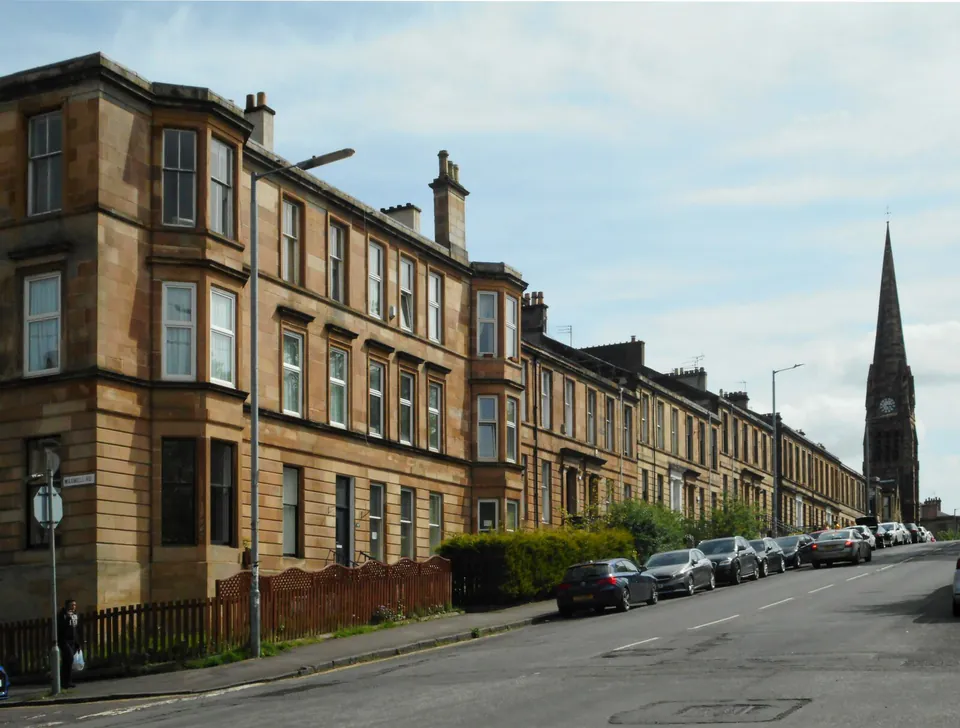
When can a dormer go ahead without a planning application in Scotland? Class 1D permitted development, its limits and when to check with your council.
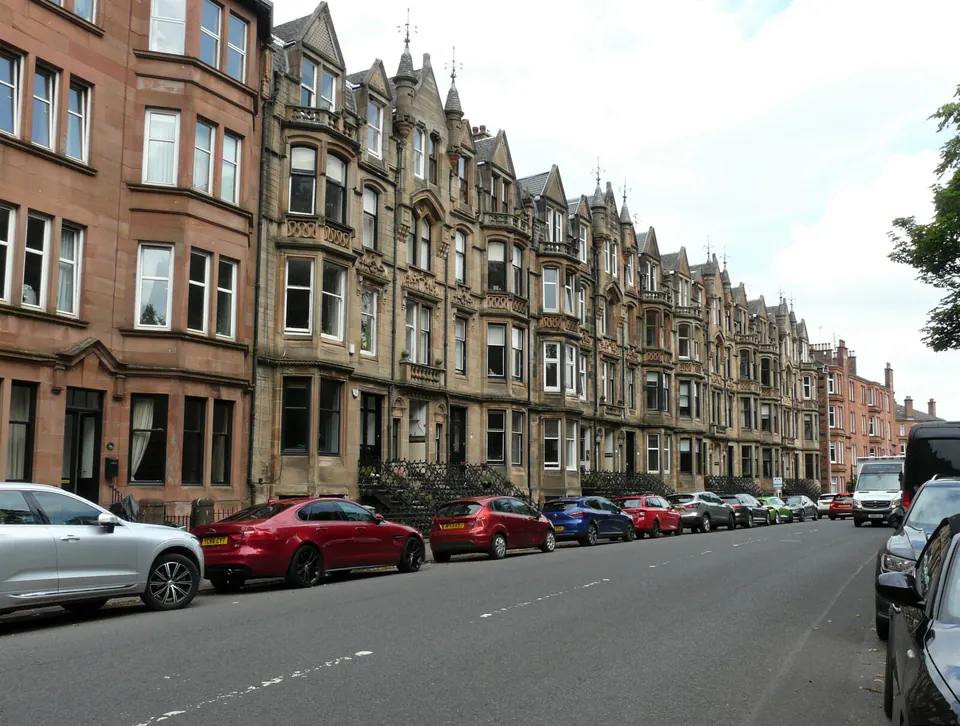
Bungalow loft conversions and dormer bungalows in Scotland: how a bungalow gains an upper floor, where the stair goes and what the Class 1D dormer rules mean.
We accept loft conversion enquiries from Glasgow and nearby towns, including Paisley, East Kilbride, Hamilton, Bishopbriggs, Bearsden, Newton Mearns and Rutherglen. Building rules vary by council, so mention yours in your enquiry.
Towns We Cover
Tell us about the house and the room you'd like. If you already have drawings or a warrant, mention it.
Quick Quote Online